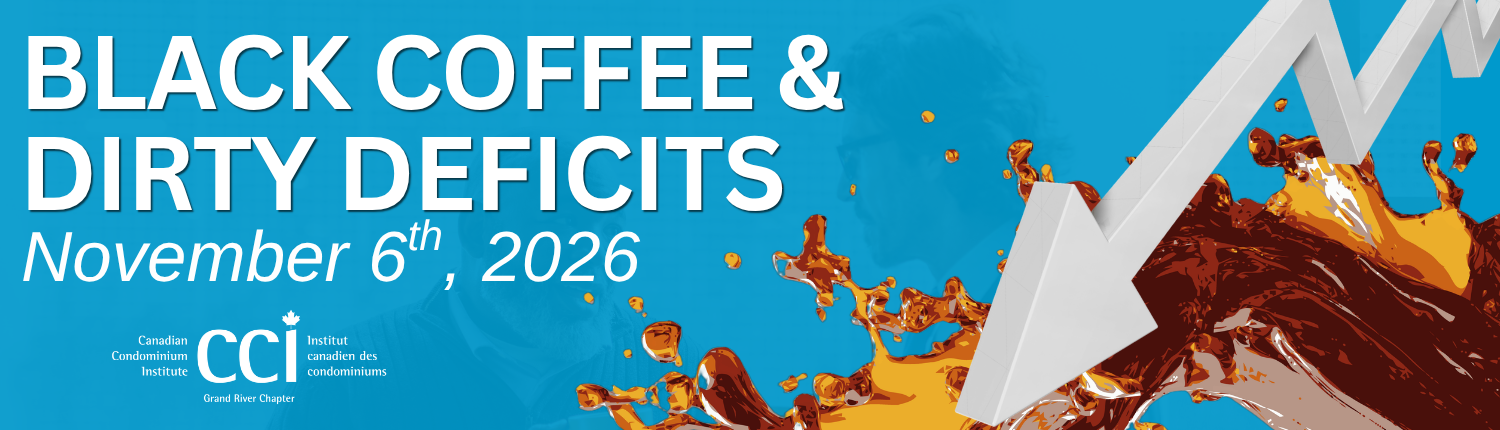
“Deficit” can be a dirty word in the condo industry, and one particularly hard to contemplate without a strong morning coffee. While condominium boards and managers strive to provide accurate estimates of annual expenses and long-term capital expenses, changing circumstances (including those outside of a condominium’s control) can, and do, lead to deficits in operating and reserve accounts. Deficits can arise through a myriad of situations, despite best efforts; unexpected repairs, increases in construction costs, unanticipated legal litigation, tumultuous tariffs, and even the change in the price of de-icing salt from winter-to-winter can have a negative impact on a budget. Dealing with budget deficits can be daunting. Communicating with owners, raising the capital, and balancing options such as special assessments or loans is no easy task. We have gathered experts from across CCI-Grand River Chapter, including a property manager, auditor, and board director, to discuss the challenges and potential solutions to dealing with condominium deficits.
No one knows their own condo better than the people who live there, the managers that manage them, and the directors that balance the options and make the decisions. This session offers an opportunity for all CCI-GRC members to submit their questions and scenarios to our expert panel, who can provide potential solutions and guidance. In Black Coffee and Dirty Deficits the panel will be taking member questions, and delving into the issues over a strong, caffeinated beverage.
Register for your chance to win!
Everyone who attends the event will be entered into a prize draw valued at $50.
You must be in attendance to win.
Date: November 6th, 2026
Time: 10:00 a.m. – 11:00 a.m.
Location: Live Stream via Zoom
Pricing:
$20 member
$40 non-member
Meet Your Host
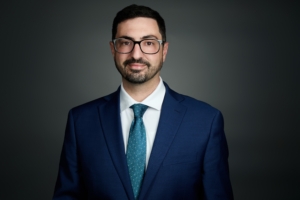
Chris Mendes, B.A. (Hons.), M.A., J.D., LCCI
Christopher is a partner in SV Law’s Condominium Practice Group. Christopher assists condominium boards and property managers across southern Ontario. Christopher’s practice involves providing legal opinions, governing document reviews and revisions (including declaration amendments, by-law drafting and rule revisions), contract negotiations, chairing owners’ meetings and requisition meetings, all aspects of condominium enforcement and representing condominiums in mandatory mediations and before the Condominium Authority Tribunal.
Christopher is actively involved in the wider condominium community, regularly speaking and writing on various topics which impact the industry. Christopher is a director on CCI-Grand River Chapter’s Board of Directors and sits on CCI-GRC’s education committee, and CCI-Ontario’s Legislative Committee. Christopher also holds CCI’s Leader of the Canadian Condominium Institute (LCCI) designation.
Christopher received his honours bachelor’s degree in history and political science from the University of Waterloo, his master’s degree in political studies from Queen’s University, and his law degree from the University of Ottawa.
In his spare time Christopher enjoys gardening, DIY home repairs, the Blue Jays, and watching Formula One racing with his three boys.
Meet Your Speakers

Lauren Sorbara, LCCI
Lauren is the Senior Manager of the Condo Niche at RLB LLP. With over a decade and a half of experience specializing in the condominium audit niche, she is dedicated to providing a knowledgeable and superior client experience. With more and more people in our community choosing to live in condominiums it is important owners are educated on the nuances and unique nature of this lifestyle choice. Lauren is a member of the CCI- Grand River Chapter and is currently serving on the CCI-GRC Board of Directors as Treasurer, as well as several committees at both the local and National level.

John Hayes
John is a retired Engineer with a background in Project Management. He finished his working career as a Business Analyst and has always been interested in building standards and systems. He first brought that experience and interest to a local condo board seven years ago and remains involved today as a board Officer, having stepped back from the Director role in 2025.

Michelle Weigel, B.A., RCM. OLCMP
Michelle Weigel is the Owner and President of Weigel Property Management. Born and raised in Waterloo Region, Michelle continues to live and raise her family in the community she has always called home.
Coming from a family with a strong tradition of engineering and innovation, Michelle developed an early appreciation for balancing new ideas and progressive development with sound planning, practical execution, and responsible long-term management. That perspective has become an important part of her approach to condominium management.
Michelle is a veteran condominium and property management professional with more than 30 years of experience in the condominium and rental housing industry, beginning her career in 1993. She is a graduate of Brock University and holds a Bachelor’s degree in Business, Economics, and Accounting.
Michelle holds a General License with the Condominium Management Regulatory Authority of Ontario (CMRAO) and is a Registered Condominium Manager (RCM) through the Association of Condominium Managers of Ontario (ACMO).
Throughout her career, Michelle has remained committed not only to managing condominium communities, but also to strengthening the profession itself. She actively supports the education and development of condominium managers and condominium directors through her volunteer role on the CCI-Grand River Chapter Education Committee.
Michelle brings a practical, hands-on approach to condominium management, with a particular focus on long-term planning, responsible financial stewardship, building maintenance and effective communication between boards, managers, contractors and owners.
She is proud to continue working and raising her family in Waterloo Region and remains committed to helping build and maintain well-managed, sustainable condominium communities throughout the region.
Michelle’s philosophy is simple: embrace innovation and progress while maintaining the practical values, accountability and long-term stewardship that allow communities to develop.